SHARE
Independent Living vs. Staying at Home: A Practical Comparison
For many retirees, the idea of moving to a senior living community feels premature. The house is familiar, the neighborhood is comfortable, and the independence of homeownership is deeply valued. So why would anyone consider leaving?
The honest answer is that what looks like independence on the surface, maintaining a home, cooking every meal, driving to every appointment, can gradually become a source of stress, isolation, and financial burden. Independent living communities are designed to remove those burdens while preserving everything people value about living on their own terms.
Here is a practical comparison to help you or your family weigh the two options.
Cost: The Full Picture
Homeownership costs extend far beyond the mortgage. Property taxes, homeowner's insurance, utilities, lawn care, pest control, home repairs, appliance replacements, grocery bills, and transportation costs add up quickly. For many retirees, the total monthly cost of maintaining a home ranges from $3,000 to $6,000 or more, and a single unexpected expense (a new roof, a plumbing emergency) can disrupt an entire financial plan.
Independent living consolidates these costs into a single monthly fee that covers the apartment, three daily meals, housekeeping, utilities, maintenance, transportation, activities, and access to on-site amenities. There are no surprise repair bills, no deferred maintenance decisions, and no hidden costs. For many families, the math is closer than they expect, and the value is significantly higher.
Socialization: The Hidden Health Factor
This is the factor most people underestimate. Retirement often brings a gradual narrowing of social circles: friends move away, a spouse passes, driving becomes less comfortable, and the daily interactions that came naturally through work disappear. The result is a slow drift toward isolation that many people do not fully recognize until it has become their daily reality.
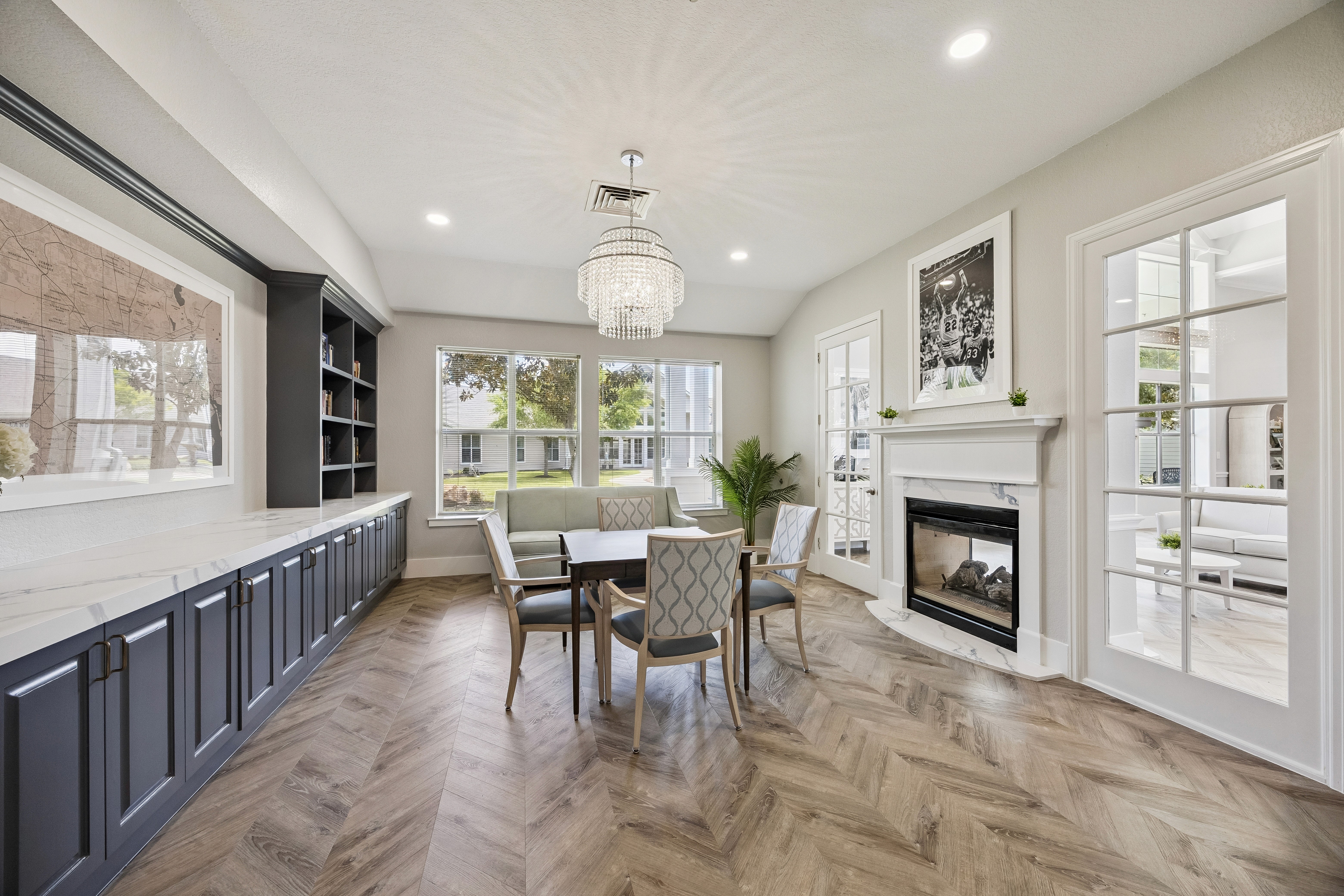
Independent living communities are built around social infrastructure: shared dining rooms, group activities, clubs, outings, common areas, and a neighborhood of peers at the same stage of life. Connection is not something you have to plan or drive to; it is part of the daily rhythm.
Safety and Peace of Mind
A home that was perfectly safe at 65 may present real risks at 75 or 80. Stairs become hazardous. Bathtubs without grab bars become fall risks. A kitchen that requires standing for extended periods becomes difficult to use. And if something happens, a fall, a medical emergency, a power outage, there may be no one nearby to notice or respond.
Independent living communities provide 24-hour team availability, emergency response systems, and environments designed for senior safety. The peace of mind this provides, both for the resident and for their family, is significant.
Maintenance and Daily Logistics
There is a reason so many retirees describe feeling busier after retirement than before. Managing a home is a full-time job: scheduling repairs, coordinating contractors, grocery shopping, cooking, cleaning, doing laundry, maintaining a yard. These tasks consume time and energy that could be spent on more meaningful pursuits.
In independent living, all of this is handled. Housekeeping, laundry, landscaping, maintenance, meals, and transportation are included. The result is not luxury; it is freedom. Freedom to spend time on the things that actually matter.
Continuity of Care
One of the most significant advantages of choosing an independent living community within a larger senior living organization is the continuity of care. If health needs change over time, and statistically, they will, residents can transition to assisted living or memory care within the same community. That means no uprooting, no leaving friends behind, no starting over with a new team.
For families, this continuity removes one of the most stressful aspects of aging: the crisis-driven search for a new care arrangement when health declines unexpectedly.
When Staying Home Makes Sense
Staying home is a perfectly reasonable choice when the home is safe and well-maintained, the retiree is socially active and connected, health is stable, the financial picture is comfortable, and the individual genuinely prefers the solitude and routine of independent homeownership. Not everyone is ready for community living, and that is fine.
When Independent Living Makes Sense
Independent living becomes the stronger option when home maintenance is a burden, social isolation is creeping in, the cost of maintaining a home is climbing, safety concerns are emerging, or the retiree is simply ready to trade responsibility for freedom and connection.
The Best Way to Decide
Visit a community. Have a meal. Talk to residents. See what the daily experience actually looks like. The gap between what people imagine independent living to be and what it actually is tends to be significant, and overwhelmingly positive.
Find a Cima community near you →